




Human beings are, by nature, creatures in search of peace. The difficulties, losses, and pains encountered at every stage of life affect us deeply. While some people can cope with these pains — and even make them a means of spiritual maturation — others are plunged into deep distress by the very same events. So what makes the difference? Why does the same hardship feel unbearable to one person, while for another it becomes a test and an opportunity for growth? The answer lies in one's perspective on life, in the way events are interpreted, and most importantly, in how the source of suffering is understood. The Holy Quran clearly states the truth that can soothe human pain and grant genuine peace: knowing that everything is under Allah's control and submitting to Him. The Root of Unrest: Seeing Events as Independent of Allah At the heart of human emotional distress, anxiety, and fear lies the tendency to view events as coincidences that unfold outside Allah's control. This perspective condemns a person to live in constant unease and insecurity. For someone who believes they live in an unpredictable, uncontrollable world lives in constant fear that disaster could strike at any moment. Yet the Quran declares: "Allah does not burden a soul beyond that it can bear." (Al-Baqarah 286). This verse makes clear that the universe is not a randomly operating mechanism — every event is created with wisdom, and Allah will not place upon people a burden greater than they can carry. This divine assurance is an immense source of relief for the believer. One who knows that every event occurs within Allah's knowledge and permission, and that He will not impose an unbearable burden, evaluates hardships through a different lens. These difficulties are no longer chaotic, uncontrollable events — they gain meaning as part of a process of education and growth. Shirk: The Hidden Source of Sorrow The source of the river of sorrow that flows within us is, more often than we realize, the shirk we unconsciously commit. Shirk is not merely worshipping idols or adopting other deities. In modern times, shirk manifests in subtler and more concealed forms. When a person begins attributing absolute power and influence to beings other than Allah — when they view the will of others as powerful enough to determine their own fate — they have in fact begun to open the door to shirk. This brings about a profound fear and anxiety in the heart. For one now believes themselves dependent not on a single will, but on countless wills. They imagine that their boss, spouse, children, neighbors, society, the economy, politics — in short, everything — exerts an absolute influence over their life. This belief fragments them, causing them to live in constant tension and fear. Yet the Quran reminds us of this truth: there is nothing in the universe that is ownerless. There is no chaos. There is no disorder. There is no aimlessness. Everything has a single owner. And the human being too has a single owner. A person who holds this understanding attributes every event to Allah and acts accordingly. The Chaotic Effect of Shirk: Like Falling from the Sky In the Quran, shirk is likened to a person falling from the sky and being torn apart, or being swept away by the wind to a distant place: "...without associating partners with Him. And whoever associates partners with Allah — it is as though he had fallen from the sky and was snatched by the birds, or the wind carried him down to a remote place." (Al-Hajj 31). This verse vividly describes the chaotic state that shirk creates in the human soul. Just as one who falls from the sky is shattered to pieces, so too is the soul of one who attributes absolute power to forces other than Allah. Just as a person seized by a bird or swept away by the wind is carried helplessly from place to place, so too is the heart of one who falls into shirk tossed about by every kind of fear, anxiety, and unrest. For beginning to see any power or will other than Allah as absolute causes deep turmoil in the soul. In this state, a person feels ownerless and unprotected. Their heart lives in constant fear and anxiety. They believe that behind every event lies a different power, a different will, and they find themselves trapped between them all. Tawhid: The Key to Spiritual Freedom Knowing that Allah is the Creator of all things and their sole owner grants a person spiritual freedom. This understanding prevents one from becoming enslaved to others and being crushed under their influence. In Surah Az-Zumar, Allah says: "Allah presents an example: a man belonging to several quarreling partners and a man belonging exclusively to one man — are they equal in comparison?" (Az-Zumar 29). The example given in this verse is profoundly striking. Imagine a slave serving multiple masters who quarrel with one another and desire opposite things. How wretched that slave's condition would be! One says go right while another says go left. One says do this while another says don't do that. This slave lives in constant division, indecision, and unrest. Yet the slave belonging to a single master knows their command and acts accordingly — living in peace and stability. Shirk makes a person like that slave with quarreling masters. One who sees forces other than Allah as absolute tries to obey each of them, fears each of them, and answers to each of them. This spiritually tears them apart. But the one who holds to tawhid — who submits only to Allah — is truly free. Submission and Spiritual Peace When a person submits only to Allah, they become truly liberated. They are freed from being under the influence of people, from fearing their wrong behavior and their injustices. For they know that everything has a single owner, and every event that befalls them was created for their growth and maturation. This belief enables one to view life from an entirely different perspective. Events are no longer simply classified as "good" or "bad." Every event is seen as a message from Allah, a test, an opportunity for education. When a hardship arises, one asks: "What does Allah wish to teach me through this difficulty? How can I benefit from the wisdom in this event?" This perspective removes a person from a victim mentality. They no longer see themselves as unfortunate, unlucky, someone upon whom bad things always happen. Rather, they see themselves as a traveler striving to mature by successfully passing the tests Allah has given them. Emotional Shirk: The Dangers of Excessive Attachment to Others Shirk does not merely distance one from Allah — it also humiliates a person before other people and objects. When a person becomes emotionally attached to another person or object to the degree that their life loses meaning without it, and when this attachment overshadows their bond with Allah, emotional shirk is at work. And this shirk leads to deep unrest, anxiety, and unhappiness. Yet the only true friend and support of the human being is Allah. People come and go, possessions are transient, positions are temporary. But Allah is everlasting and eternal. Whoever clings tightly to Him is never left alone, never left without an owner. The Sole Owner of All Things: Allah In Surah Ash-Shura, Allah says: "And you will not be able to escape in the earth, and you have not besides Allah any protector or helper." (Ash-Shura 31). This verse is both a warning and a glad tiding. The warning: it is impossible to flee from Allah and take refuge in a power outside Him. Nothing occurs beyond His will. The glad tiding: Allah is the friend and helper of the human being. Whoever takes refuge in Him is never left alone. The source of our pains and unrest is evaluating events independently of Allah and attributing power to others. This creates deep fear and anxiety in the soul. For how can a person find peace while believing they are in the grip of forces they cannot control or foresee? Yet the Quran clearly shows the path to true peace: to recognize every event as coming from Allah and to submit to Him. This is the key to spiritual peace. Trusting in Allah's Wisdom Allah has created everything with goodness and wisdom. This goodness is sometimes apparent, sometimes hidden. Sometimes it is understood immediately; sometimes it is recognized years later. But the believer knows that everything which comes from Allah — the All-Wise — necessarily contains wisdom. This belief grants a person extraordinary patience and resilience. When faced with hardship, they do not collapse or fall into despair. Rather, they say: "This difficulty must contain goodness for me. Even if I cannot see it now, Allah has created good for me in this event," and they look at the matter from a different angle. History, Quranic narratives, and life experience are full of examples showing how events that appeared bad eventually became means of great good. The Prophet Yusuf's being thrown into the well appeared as a disaster at the time, but ultimately led to his becoming a minister in Egypt. The Prophet Musa's mistake being exposed and his being forced to flee Egypt appeared as a loss, but the years he spent in Madyan prepared him for prophethood. Everything from a Friend Is Beautiful "Everything from a friend is beautiful" is a philosophy of life for the believer. A person who has taken Allah as their friend and submitted to Him sees every event that befalls them as a gift from this friend. This gift may sometimes be sweet, sometimes bitter. But because both come from the same friend, both are beautiful, precious, and meaningful. This perspective saves a person from complaint, resentment, and rebellion. They no longer wear themselves out asking "why me, why now, why like this?" Rather, they ask: "What beauty lies in this event for me, what lesson, what opportunity for growth?" This understanding does not eliminate pain. But it adds meaning to pain. And a meaningful pain is far more bearable than a meaningless one. When a person knows why they are suffering — when they know that this pain is temporary and will lead to something good — they can endure it with patience. The Path to Peace Human beings are, by nature, creatures in search of peace. Seeking this peace in the external world, in material success, or in other people is futile. True peace lies in knowing Allah, submitting to Him, and tracing everything back to Him. The source of our pain is seeing events as independent of Allah, attributing absolute power to others, and falling into shirk. This understanding pushes us into chaos, fear, and anxiety. But the understanding of tawhid — knowing that Allah alone is the owner of all things — rescues us from this chaos and leads us to peace. Clinging tightly to Allah will soothe the unrest of this world and lead us to eternal happiness. Submitting to Him opens the door to true freedom and peace. Recognizing His hand in every event, evaluating all things within the framework of His wisdom, brings us happiness in both this world and the next. Let us not forget: everything from a Friend is beautiful. And Allah is the closest friend, the most merciful guardian of His servants. To trust in Him, to rely on Him, to take refuge in Him — is to hold fast to the most secure handhold. And this handhold never breaks.

KİTAP İZLERİ
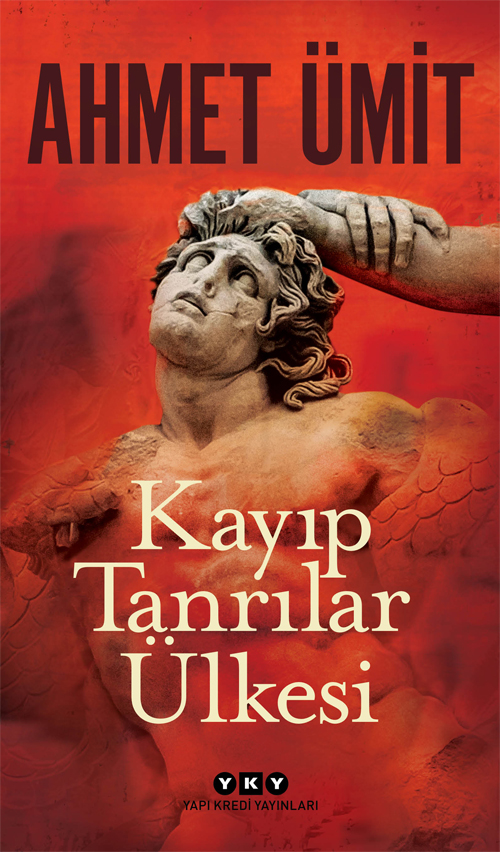
Kayıp Tanrılar Ülkesi
Ahmet Ümit
Zeus Berlin Sokaklarında: Ahmet Ümit'ten Mitoloji, Cinayet ve Hafıza Üzerine Bir Roman Ya eski tanrılar ölmemiş, sadece unutulmuşsa? Ve içlerinden biri, bu umursamazlığa öfkelenip modern
İncelemeyi Oku